How Much Does Laser Hair Removal Hurt?
The idea that pain and beauty go hand in hand is a sentiment that’s slowly becoming obsolete in the era of modern aesthetics. As technology advances, many treatments that were once painful are now completely tolerable. So, does cutting-edge laser hair removal hurt? Find out in this guide!
How does laser hair removal work?
Before we answer the question, “Does laser hair removal hurt?”, let’s explore how the process works to achieve permanent hair reduction.
Selective photothermolysis
Laser devices emit a precise wavelength of light that is absorbed by melanin or pigment in the hair and skin. Once absorbed, that light energy is converted into heat, which damages the hair follicle and inhibits future hair growth.
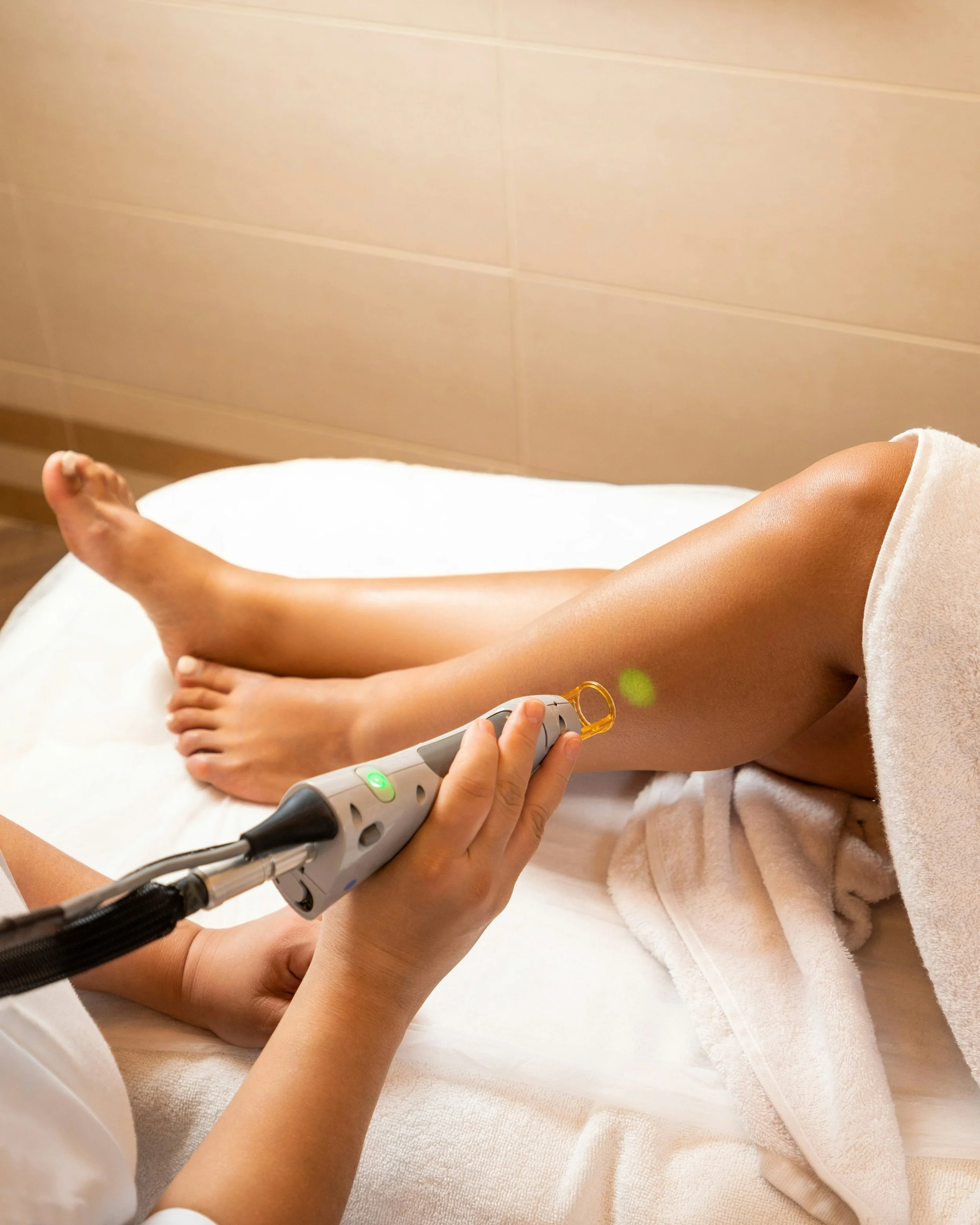
This process is called selective photothermolysis. Although it’s possible to deactivate a follicle during the first treatment, most people notice thinner, finer regrowth initially, with complete destruction occurring after several appointments.
Hair growth cycle
Laser hair removal treatments are most effective during the anagen or active phase of the growth cycle when hairs are attached to the follicle and rich with melanin. However, at any given time, the hairs on your face and body are in various stages of this cycle.
That’s why it’s necessary to complete multiple laser hair removal sessions. This can usually be six to eight appointments scheduled four to six weeks apart to achieve optimal results.
Hair and skin contrast
Traditionally, laser devices could only remove dark hair from clients with light skin, since the laser must be able to distinguish between different structures. With modern diode lasers, it’s safe to treat a much broader range of hair types and skin tones without the risk of painful burns and other adverse effects. Still, people with a greater contrast between hair and skin tones may achieve faster, more comprehensive results.
Explore: HydraFacial Benefits You Should Know About
What factors can affect pain during laser hair removal?
You know that laser hair removal selectively targets hair, leaving the surrounding skin largely untouched, but does it hurt? The truth is that some people find the experience more comfortable than others. Here are the primary factors affecting whether or not laser hair removal hurts:
Treatment area
Some parts of the body have thinner skin and higher nerve density, making the sensation much more pronounced. While the legs, arms, back, and shoulders are often tolerable, laser hair removal may hurt when treating:
Facial hair
Brazilian area or bikini line
Underarms
Hair and skin type
Hair color, thickness, and skin tone can all impact how much energy is absorbed during laser hair removal. Coarse, thick strands naturally soak up more energy, exacerbating discomfort. On the other hand, fine, sparse hair generates less sensation. The price of that comfort, however, is a less-effective treatment.
Type of laser technology used
Unlike at-home IPL devices that deliver gentle, diffused light, professional epilation lasers are significantly more powerful. The technology used will make a major impact on whether laser hair removal hurts. Common options include:
Alexandrite lasers: Older tech used for lighter skin tones and faster treatment speeds. Often considered more painful.
Diode lasers: Broader scope of skin and hair types. Often includes a built-in cooling device to improve comfort.
Nd:YAG lasers: Ideal for darker skin tones. Penetrates deeper and may feel sharper or more prickly than other devices.
How to minimize discomfort during laser hair removal
As you prepare for your first laser hair removal session, there are a few things you can do to ensure it does not hurt more than necessary. Here’s how to keep discomfort in check:
Ask for a patch test
If you have sensitive, reactive skin or a history of pigment changes, a patch test is a great way to see how your skin will react to treatment. In addition to gauging how many treatments you may need and adjusting the laser’s strength settings for comfort, a quick patch test can help reduce the anxiety many clients feel before their first session.
Use a numbing cream
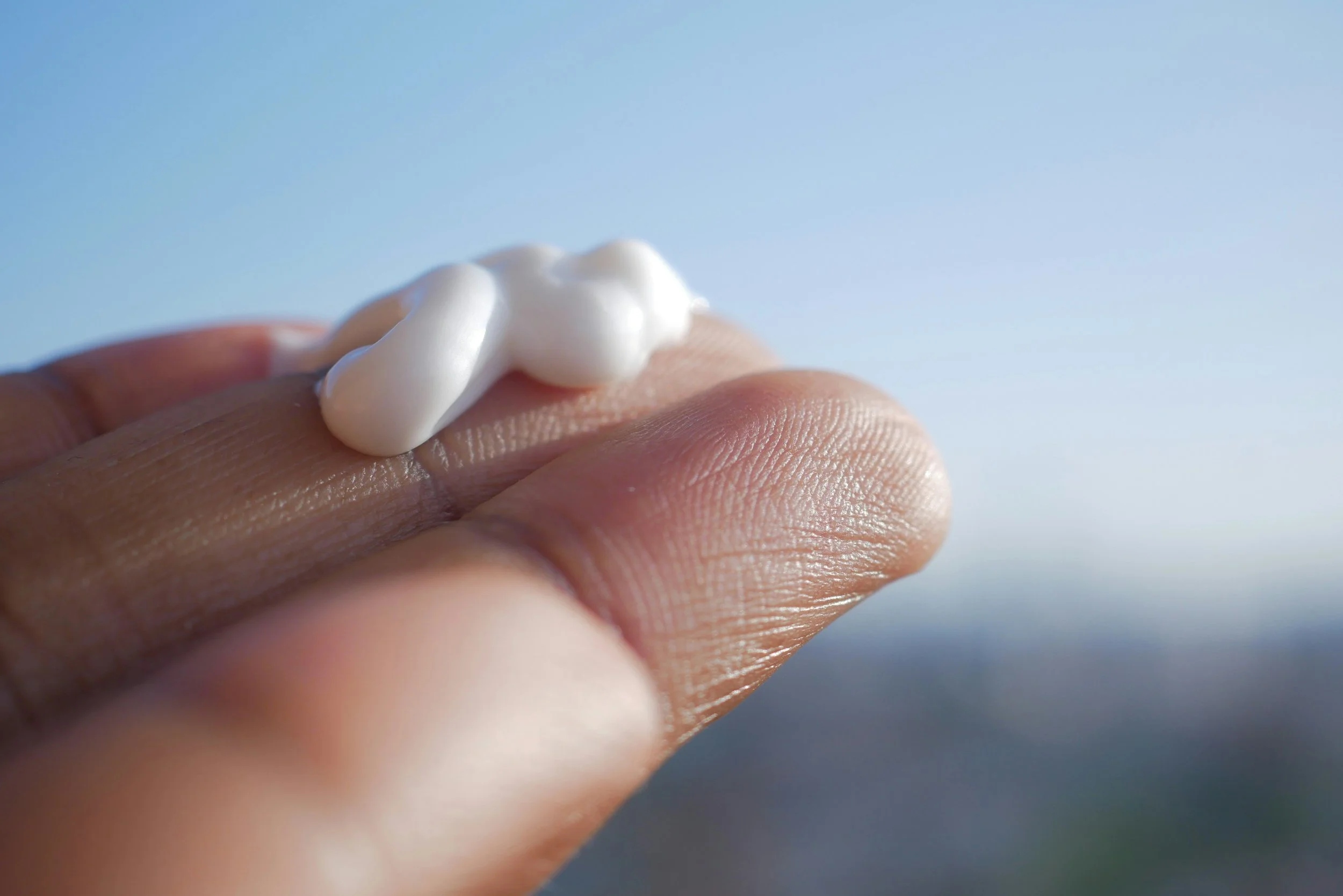
Topical numbing creams are a popular option for laser hair removal, especially when treating highly sensitive areas. From low-cost over-the-counter products to more expensive prescription medications, there are plenty of options to choose from. Talk to your laser specialist before treatment to determine the right laser-compatible solution for your skin.
Shave before treatment
The goal of laser hair removal is to target the melanin-rich hair roots in the follicles. Exposed strands outside the skin pull some of that energy away from the root, making treatments less effective. Additionally, these hairs may singe or burn, causing the average laser hair removal session to hurt much more than it should.
Avoid caffeine
Sadly, the benefits of your morning cup of coffee won’t extend to your laser hair removal appointment. Too much caffeine can have a diuretic effect and cause the skin to react more strongly to external stimuli. As your appointment draws near, skip the energy drink and focus instead on proper hydration.
Read next: What To Expect From HydraFacials Before and After Treatment
Experience the best in laser hair removal at Reflection Spa & Brow Art!
From smooth, touchable skin to the perfect eyebrows, Reflection Spa & Brow Art is here to help you achieve your aesthetic goals. Book a consultation today to get started!